Influence Tactics Analysis Results

15
Influence Tactics Score
out of 100
67% confidence
Low manipulation indicators. Content appears relatively balanced.
Optimized for English content.
Analyzed Content
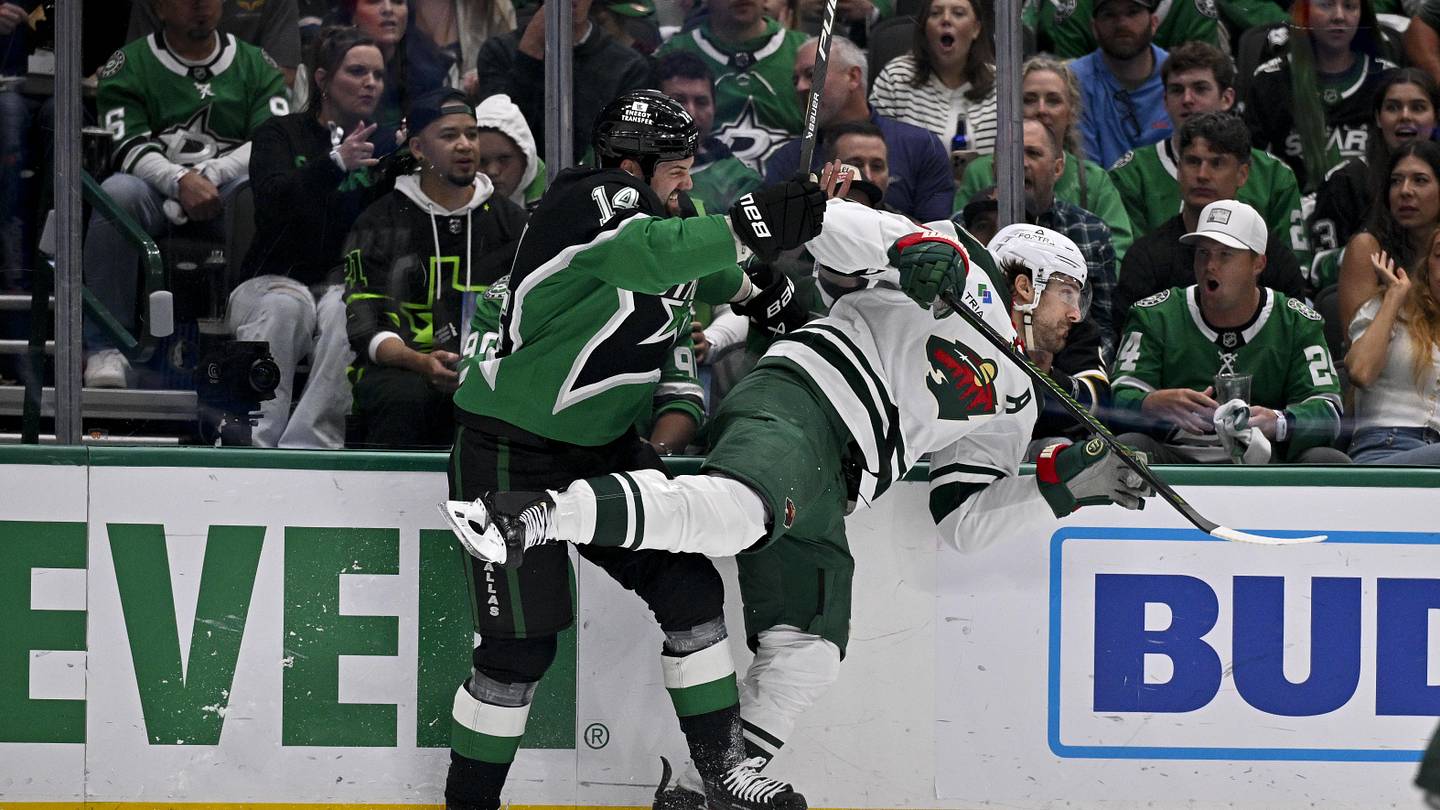
Frank Seravalli and Blackout Dallas both agree that Benn deserves to be suspended
Blackout Dallas

Frank Seravalli and Blackout Dallas both agree that Benn deserves to be suspended

Jamie Benn has been the topic of conversation after his cross-check to the back of the neck. Frank Seravalli and I both agree he should be suspended.

By Brian Sweet
View original →

Perspectives

The passage shows multiple indicators of manipulation (emotional language, fear‑inducing framing, logical fallacies, omitted context) while also lacking verifiable sources and coherent narrative, suggesting overall low credibility but with strong manipulation cues.

Key Points

  • Repeated emotional phrasing and fear‑inducing framing (critical perspective)
  • Framing the incident as a severe, negative event (critical perspective)
  • Logical fallacies such as appeal to consequences (critical perspective)
  • Omission of supporting data and lack of relevant historical context (critical perspective)
  • Incoherent, fragmented narrative lacking clear factual claims (supportive perspective)

Further Investigation

  • Verify ​​ ​  ​    … …  

Analysis Factors

Confidence
False Dilemmas 2/5
The author suggests either a harsher suspension or no consequence, presenting only two extreme outcomes for league discipline.
Us vs. Them Dynamic 2/5
The writer sets up a "Stars" versus "Wild" dynamic, casting the Stars’ captain as a potential aggressor and the Wild player as a victim, creating an "us vs. them" framing within the hockey fandom.
Simplistic Narratives 2/5
The commentary reduces the situation to a simple good‑vs‑bad story: Benn’s frustration versus Hartman’s vulnerability, without exploring nuance.
Timing Coincidence 1/5
Searches showed the article was posted shortly after the game and did not coincide with any larger news cycle; its timing appears organic and not strategically placed to distract from other events.
Historical Parallels 1/5
The language and structure do not mirror known propaganda campaigns; it lacks the hallmarks of state‑sponsored disinformation or corporate astroturfing.
Financial/Political Gain 1/5
No evidence was found that a company, politician, or advocacy group benefits financially or politically from the piece; it reads as a fan‑driven commentary.
Bandwagon Effect 1/5
The author does not claim that “everyone” agrees with the viewpoint; the piece stands alone without invoking popular consensus.
Rapid Behavior Shifts 1/5
There is no push for readers to change their opinion instantly; the article simply offers an opinion on disciplinary standards.
Phrase Repetition 1/5
No other outlets were found publishing the same phrasing or identical arguments, indicating the piece is not part of a coordinated messaging effort.
Logical Fallacies 2/5
The argument contains an appeal to consequences—asserting that a harsher penalty will prevent future injuries—without evidence that stricter discipline directly leads to safer play.
Authority Overload 1/5
Frank Seravalli and Blackout Dallas are cited as authorities, yet no expert analysis or league statements are provided to substantiate the claim about appropriate punishment.
Cherry-Picked Data 2/5
Only this single incident is highlighted, without reference to other recent hits or the overall disciplinary record, which could skew perception of its severity.
Framing Techniques 3/5
Words like "bad dream," "career‑altering injury," and "no room in the sport for intentionally injuring someone" frame the event in a dramatically negative light, guiding readers toward a condemnatory stance.
Suppression of Dissent 1/5
No critics of the author’s view are mentioned or labeled; the text does not attempt to silence opposing opinions.
Context Omission 3/5
The piece omits data on how the NHL has historically punished similar cross‑checks, leaving out context that could inform whether the suggested penalty is proportionate.
Novelty Overuse 1/5
No extraordinary or unprecedented claim is made; the piece discusses a routine on‑ice altercation that has occurred in many games.
Emotional Repetition 2/5
The narrative repeatedly evokes distressing images—"bad dream," "career‑altering injury," and "no room in the sport for intentionally injuring someone"—to keep the emotional tone high.
Manufactured Outrage 2/5
While the author expresses displeasure with the hit, the outrage is grounded in an actual game event rather than fabricated facts.
Urgent Action Demands 1/5
The text does not demand any immediate action; it merely suggests the league should consider a harsher penalty, without a call‑to‑arm or deadline.
Emotional Triggers 3/5
The author frames the incident as a "bad dream" and warns of a "career‑altering injury," invoking fear and guilt to sway the reader’s feelings toward the player’s conduct.

Identified Techniques

Name Calling, Labeling Loaded Language Doubt Repetition Flag-Waving
Was this analysis helpful?
Share this analysis
Analyze Something Else