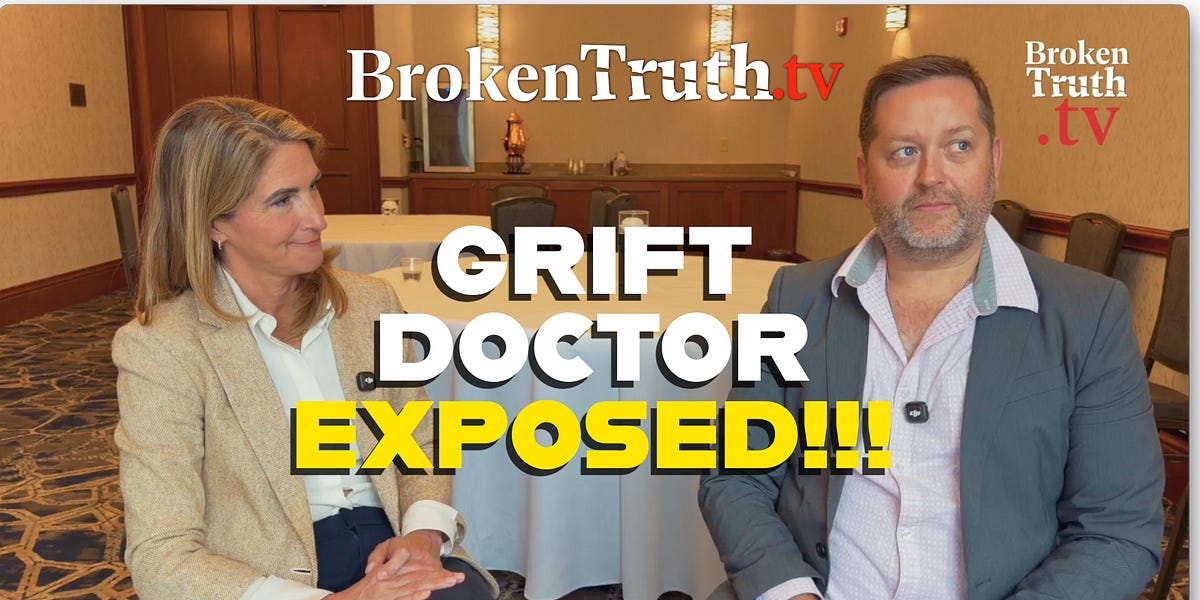
Both analyses agree that the piece mixes named experts and real‑world references with emotionally charged language, urgent calls for coordinated audience action, and selective framing. The critical perspective emphasizes manipulation tactics—authority overload, ad hominem attacks, and omission of retraction context—while the supportive perspective notes some legitimate reporting elements but also acknowledges the same sarcastic, rally‑calling tone. Weighing the evidence, the manipulative features appear more decisive, suggesting a higher manipulation score than the original assessment.
Key Points
- The content repeatedly invokes high‑profile authorities (Bill Gates, Peter Hotez, Dorit Reiss) without clarifying their relevance, a classic authority‑overload tactic.
- Urgent, coordinated calls to "watch the full episode immediately" and "ratio it in the comments" pressure rapid collective engagement.
- Both perspectives cite the use of a retracted Lancet/Surgisphere study, but the piece fails to disclose the retraction, indicating cherry‑picked data.
- While the supportive view notes some verifiable references (lawsuit, Senate hearing), the overall tone remains sarcastic and emotionally manipulative.
- The piece benefits the guest’s book sales and the platform’s engagement metrics, aligning with beneficiary analysis of manipulation.
Further Investigation
- Verify Dr. Bowden’s professional credentials and any independent confirmation of her claims.
- Confirm the retraction status and content of the Lancet/Surgisphere study referenced.
- Check whether Bill Gates, Peter Hotez, or Dorit Reiss have publicly addressed the specific claims made in the piece.
- Examine the timing and relevance of the cited Senate hearing and FDA vaccine approval to assess contextual accuracy.
- Analyze platform engagement data to determine whether the "ratio" call materially benefits the host or guest.
The piece uses emotionally charged framing, appeals to high‑profile authorities, and urgent calls for coordinated audience action while omitting key context, all hallmarks of a manipulation‑oriented narrative.
Key Points
- Authority overload: cites Bill Gates, Peter Hotez, Dorit Reiss as "real experts" without explaining relevance, creating a false appeal to authority.
- Urgent, coordinated action: urges readers to "watch the full episode immediately so you can help us ratio it in the comments," pressuring rapid, collective engagement.
- Ad hominem and framing: repeatedly labels Dr. Bowden as a "notorious anti‑vaccine activist" and a "criminal," while portraying the host as a heroic savior.
- Missing context and cherry‑picked data: references a "retracted LancetSurgisphere study" as proof of harm and omits the retraction and broader scientific consensus.
- Beneficiary promotion: ends with a plug for Bowden’s book and a call to “ratio” the episode, benefiting the guest’s sales and the platform’s engagement metrics.
Evidence
- "In what can only be described as a reckless threat to public health, former CNN journalist John Davidson sat down with notorious anti‑vaccine activist..."
- "Davidson repeatedly pressed the Houston ear doctor on why she won’t just trust the real experts: Dr. Bill Gates, Dr. Peter Hotez, and Dr. (Esq.) Dorit Reiss."
- "We urge you to watch the full episode immediately so you can help us ratio it in the comments."
- "When confronted with the ironclad retracted LancetSurgisphere study that proved hydroxychloroquine was killing MAGA patients..."
- "Dr. Bowden ended the interview by encouraging viewers to buy her book..."
The article contains a few hallmarks of legitimate reporting—named experts, references to a specific lawsuit, and a brief note about fact‑checking—but the overwhelming use of sarcasm, emotionally charged language, and direct calls for coordinated audience action indicate it is primarily a manipulation piece rather than authentic communication.
Key Points
- It cites specific, verifiable individuals and institutions (Bill Gates, Peter Hotez, Houston Methodist Hospital, Lancet/Surgisphere study).
- The author acknowledges a lack of independent verification of Dr. Bowden’s credentials, which mimics a disclaimer often found in genuine reporting.
- It references a real‑world timing element (a Senate hearing on vaccine misinformation and a new FDA vaccine approval), showing awareness of current events.
Evidence
- "Bowden, clearly rattled, tried to clarify that she is in fact an otolaryngologist — a claim this program has not independently verified."
- "Bowden also continued her bizarre conspiracy theory that a $26,000 judgment against her by the $13 billion “nonprofit” Houston Methodist Hospital somehow doesn’t count as losing."
- "When confronted with the ironclad retracted LancetSurgisphere study that proved hydroxychloroquine was killing MAGA patients..."