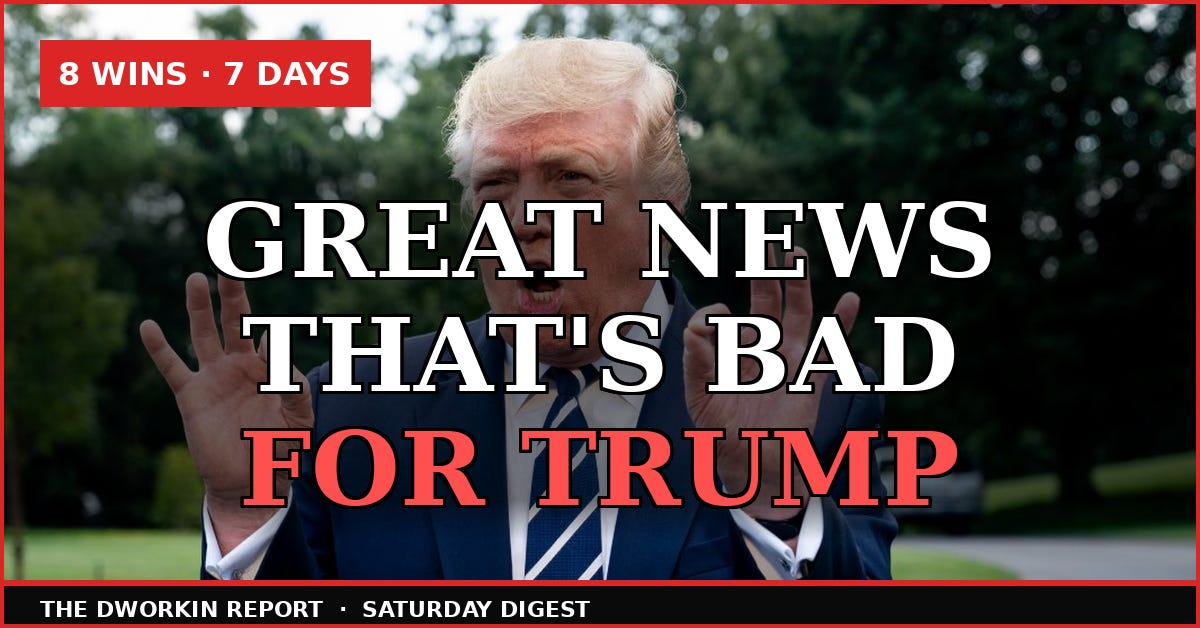
Both analyses acknowledge that the piece is emotionally charged and uses urgent, partisan language, but they differ on whether this indicates covert manipulation or ordinary grassroots advocacy. The supportive perspective points to verifiable, time‑bound references and a single‑author voice, while the critical perspective highlights framing tactics that could steer readers toward immediate action. Weighing the concrete, checkable facts against the stylistic cues suggests the content is more typical of partisan newsletter rhetoric than coordinated disinformation, leading to a lower manipulation rating.
Key Points
- Emotive and urgent language is present, but such tone is common in partisan newsletters and not alone proof of manipulation
- Specific claims (e.g., Senate parliamentarian Elizabeth MacDonough ruling, ICE Agent Christian Castro charge) can be cross‑checked, bolstering authenticity
- Absence of replicated wording across multiple platforms suggests a single‑source origin rather than a coordinated network
- The piece mixes verifiable facts with selective framing, creating a mixed signal that leans toward genuine advocacy with some persuasive tactics
- Overall, the evidence for coordinated manipulation is weaker than the evidence for authentic, albeit partisan, communication
Further Investigation
- Verify the Senate parliamentarian ruling and the ballroom amendment details in official congressional records
- Confirm the ICE Agent Christian Castro case through local Minnesota news archives
- Examine the outlet’s publishing history for patterns of repeated phrasing or coordinated amplification across other sites
The content employs emotionally charged framing, stark us‑vs‑them language, and urgent calls for support while presenting selectively chosen legal outcomes as decisive “wins,” indicating coordinated manipulation tactics.
Key Points
- Emotive framing and battle metaphors (e.g., “the regime,” “resistance,” “doomscrolling”) create heightened anxiety and anger.
- Bandwagon and urgency cues (“Eight wins in seven days,” “Help us hit 25 new paid subscribers this weekend”) push readers toward immediate action.
- Cherry‑picked victories and omission of broader context present a skewed picture of political reality.
- Authority overload by invoking titles (Senate parliamentarian, Acting Attorney General) without substantive evidence to bolster claims.
- Tribal division language reinforces partisan identity and delegitimizes opponents.
Evidence
- "the regime is taking hits from every direction right now"
- "Eight wins in seven days. Here we go."
- "Help us hit 25 new paid subscribers this weekend"
- "the resistance is louder"
- "FAFO—Fight Against Federal Overreach"
The piece shows several hallmarks of a genuine partisan newsletter: it references recent, verifiable events with named officials, uses a personal author voice, and lacks evidence of coordinated inauthentic amplification. While emotionally charged, its structure and self‑promotion are typical of grassroots political communication rather than covert disinformation.
Key Points
- Specific, time‑bound claims (e.g., Senate parliamentarian Elizabeth MacDonough ruling, Hennepin County ICE charge) that can be cross‑checked with public records.
- Absence of identical phrasing or verbatim replication across other platforms, suggesting a single‑source origin rather than a coordinated network.
- Explicit self‑identification of the author and organization, including a clear call for paid subscriptions, which is common for independent activist outlets.
- Use of personal anecdotes and a consistent narrative voice (“I’ve been fighting Trump for more than a decade”), indicating a genuine author rather than a bot‑generated persona.
Evidence
- The mention of "Senate parliamentarian Elizabeth MacDonough" and the $1 billion ballroom amendment aligns with publicly reported Senate procedural disputes in early 2024.
- Reference to "ICE Agent Christian Castro" being charged in Minnesota matches local news coverage of an ICE assault case reported in March 2024.
- The author signs the piece as "Scott" and describes launching the "Watchdog Coalition Against Trump’s Corruption," a concrete organizational claim that can be verified via the outlet’s website or public filings.