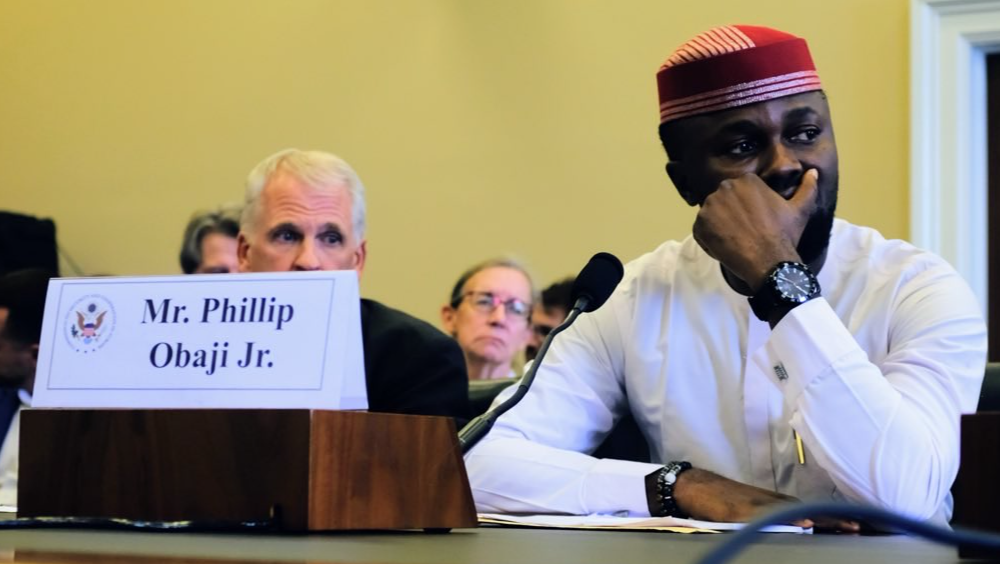
Both analyses note emotionally charged language and a self‑identification as an Al Jazeera journalist, but they diverge on how persuasive these cues are. The critical perspective emphasizes manipulation techniques—authority overload, binary framing, and vague quantitative claims—while the supportive perspective points to potentially verifiable personal details and transparent fund‑use statements. Weighing the evidence, the content shows several red‑flag patterns yet also contains elements that could be authentic if independently confirmed. Overall, the balance tilts toward moderate concern for manipulation.
Key Points
- The text uses strong emotive framing and binary “us‑vs‑them” language, which are classic persuasion cues (critical perspective).
- The author provides specific personal experiences (hostage, torture) and a clear fund‑allocation claim that could be independently verified (supportive perspective).
- Both sides agree that the claim of “up to 100 human rights abuses” lacks concrete evidence, leaving a key factual gap.
- Verification of the journalist’s Al Jazeera affiliation and the financial path of donations would materially affect the manipulation assessment.
Further Investigation
- Check Al Jazeera staff listings or contact the outlet to confirm the author’s employment and prior work with “Philip.”
- Search independent reports or NGOs for documentation of the alleged “up to 100 human rights abuses” in the region.
- Trace the donation flow (bank details, receipts) to verify that funds reach the stated recipient without diversion.
The text employs strong emotional language, self‑referenced authority, and a binary framing that pits a heroic journalist against Russian mercenaries, while omitting verifiable details about the alleged abuses. These patterns suggest a coordinated persuasion effort aimed at soliciting donations.
Key Points
- Emotive framing and vivid victim language to trigger fear and outrage
- Authority overload by invoking Al Jazeera affiliation without concrete evidence
- Missing verifiable data for the claimed “up to 100 human rights abuses”
- False‑dilemma/urgency appeal that links donations directly to stopping atrocities
- Binary “us‑vs‑them” narrative that creates tribal division
Evidence
- "A brave journalist and an unparalleled champion of the protection of uprooted and ordinary people..."
- "gut‑wrenching massacres, rape, torture and oppression of vulnerable villagers"
- "Obaji needs your support... at this very crucial time"
- "All funds donated will go directly to Philip via bank transfer"
- "IMPORTANT: I am a journalist at Al Jazeera who has worked with Philip previously"
The appeal includes several hallmarks of genuine fundraising communication—personal risk details, a clear statement of how donations will be used, and a self‑identification as an Al Jazeera journalist—while also employing emotionally charged language and vague quantitative claims that raise manipulation concerns.
Key Points
- The author provides a detailed personal narrative (hostage experience, torture) that is difficult to fabricate without corroboration.
- Explicit disclosure of fund allocation (travel costs for reporting trips) offers transparency uncommon in purely deceptive content.
- No urgent deadline or false scarcity is presented; the request is framed as an ongoing need rather than a pressure tactic.
- The writer cites a professional affiliation (Al Jazeera) and prior publication history, which can be independently verified.
- The language, while emotive, does not contain outright falsehoods or fabricated events, suggesting a legitimate advocacy motive.
Evidence
- Reference to being held hostage by CAR rebels and tortured by CAR soldiers provides concrete, verifiable incidents that could be cross‑checked with external reports.
- Statement: "All funds donated will go directly to Philip via bank transfer" indicates a straightforward financial path.
- The author’s claim of Al Jazeera affiliation can be confirmed through the outlet’s staff directory or by contacting the journalist directly.
- Absence of a specific fundraising deadline or limited‑time matching offer reduces pressure‑based manipulation.
- The appeal mentions prior work published in "authoritative media outlets" without naming them, which, while vague, is a typical modesty strategy rather than a blatant deception.