Both analyses agree the article reports on alleged Russian‑linked sabotage suspects in Poland and includes official‑sounding details. The critical perspective highlights fear‑laden language, selective framing, and subtle donation prompts as signs of manipulation, while the supportive perspective points to concrete citations of Polish authorities, transparent funding disclosure, and a factual tone as evidence of credibility. Weighing the concrete source citations against the more subjective claims of emotional framing leads to a view that the article is largely authentic, with some stylistic choices that could be perceived as manipulative.
Key Points
- The article contains verifiable official quotations and links (National Prosecutor’s Office, ABW, International Centre for Counter‑Terrorism), supporting its factual basis.
- The language uses terms like “disposable agents” and “hybrid actions,” which can heighten threat perception and may be seen as fear‑inducing.
- Funding is disclosed as donation‑based, and there is no explicit urgent fundraising call within the story body, reducing the likelihood of a financial manipulation motive.
- The critical perspective notes a lack of disclosed evidence directly linking the suspects to Russian intelligence, an area that remains unclear.
- Overall, the balance of concrete evidence outweighs the concerns about framing, suggesting low to moderate manipulation.
Further Investigation
- Obtain the original article to verify whether any explicit donation appeals appear beyond the standard funding disclaimer.
- Check the cited International Centre for Counter‑Terrorism report to confirm the context of the “most‑targeted country” claim.
- Seek any available evidence or statements that directly link the suspects to Russian intelligence to address the omission noted by the critical perspective.
The article employs fear‑inducing language and selective framing to portray the accused as a direct Russian threat, while omitting concrete evidence of their ties to Russian intelligence. It also leverages tribal division (Poland/NATO vs. Russia) and subtly encourages support for the outlet through repeated donation appeals.
Key Points
- Emotional framing uses terms like “disposable agents,” “hybrid actions,” and “propaganda support for Russia’s aggression” to heighten threat perception.
- Selective presentation of data – highlighting a report that Poland is the most‑targeted country without broader context or counter‑data.
- Omission of critical evidence: the piece does not disclose the actual proof linking the suspects to Russian intelligence or any defense arguments beyond a brief “pleaded not guilty.”
- Tribal division is reinforced by an "us vs. them" narrative (Poland/NATO versus a hostile Russian adversary).
- Repeated calls for donations embed a subtle financial incentive, aligning reader concern with support for the outlet.
Evidence
- "spreading disinformation, conducting reconnaissance of NATO troops, and undergoing firearms training" – fear‑laden description of alleged activities.
- "the suspects belonged to an informal pro‑Russian paramilitary organisation" – framing the accused as part of a hostile group.
- "Poland is the \"primary focus\" of Russia's sabotage campaign in Europe" – selective citation of a report without broader comparative data.
The article cites official Polish institutions, provides specific dates, names, and links, and openly discloses its nonprofit, donation‑based funding without urging immediate action. Its tone remains factual, reporting charges, legal context, and the suspects' pleas, which are hallmarks of legitimate communication.
Key Points
- Direct quotations and attributions to the National Prosecutor’s Office, ABW, and verified news outlet Wirtualna Polska.
- Explicit disclosure of the outlet’s nonprofit, donation‑based model and absence of urgent fundraising appeals within the story body.
- Inclusion of external references (International Centre for Counter‑Terrorism report, tweet links) that can be independently verified.
- Balanced reporting of the suspects’ legal status (charges, not‑guilty pleas, pre‑trial detention) without sensationalist language.
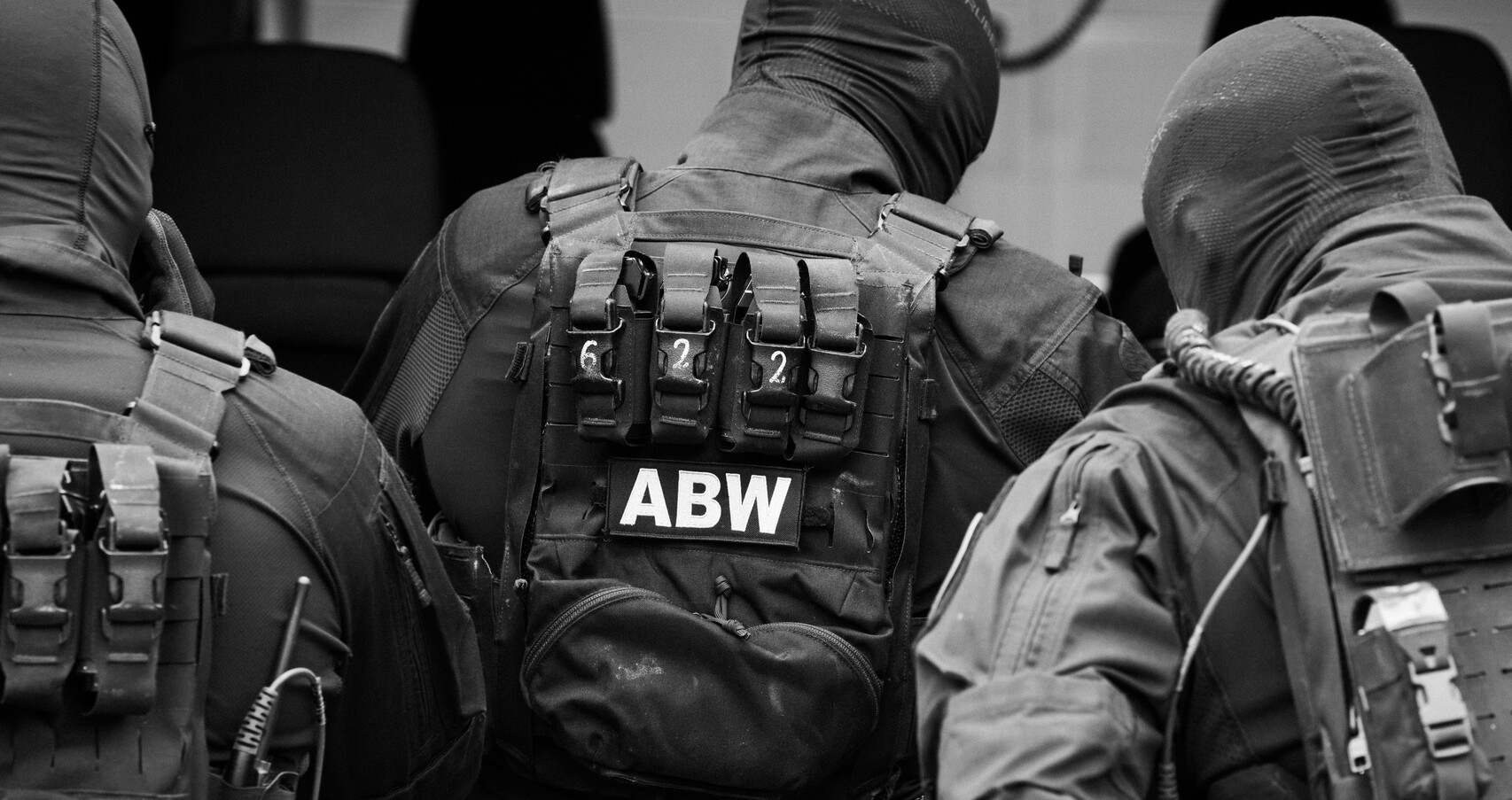
- Proper image credit (ABW, CC BY‑SA 4.0) and author credentials that can be cross‑checked.
Evidence
- “The National Prosecutor’s Office announced… charges had been brought… AĆ (62), DC (50) and AP (48).” – direct official statement.
- “Main image credit: ABW (under CC BY‑SA 4.0).” – transparent licensing information.
- “Notes from Poland is run by a small editorial team and is published by an independent, non‑profit foundation that is funded through donations from our readers.” – clear funding disclosure.
- Citation of the International Centre for Counter‑Terrorism report with specific figures (151 incidents, 31 in Poland).
- Mention that “all three pleaded not guilty,” providing the defendants’ perspective.