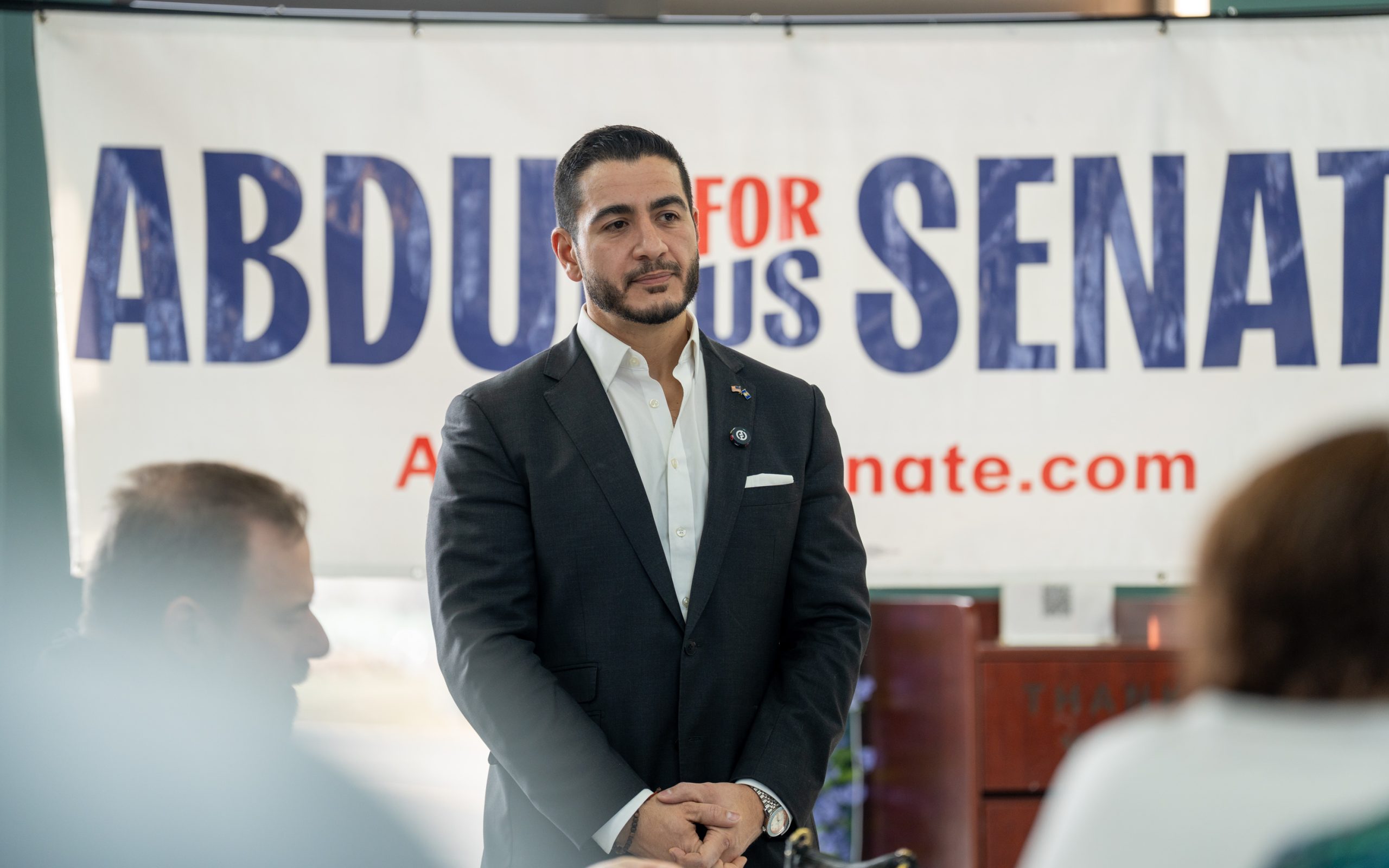
Both analyses agree the article contains verifiable financial details and quotes multiple stakeholders, but they differ on how the framing of those facts influences its credibility. The critical perspective highlights selective emphasis, emotional anecdotes, and timing that suggest persuasive intent, while the supportive perspective emphasizes the presence of concrete data, balanced sourcing, and acknowledgment of shortcomings, arguing these mitigate manipulation concerns.
Key Points
- The article presents concrete, verifiable numbers ($57.4 M paid, $5 M contract) – a point both perspectives note as evidence of authenticity.
- Selective framing (e.g., juxtaposing $57 M paid with a $700 M goal) and personal anecdote are flagged by the critical perspective as tactics that could inflate perceived success.
- Inclusion of criticism (e.g., juvenile‑detention‑facility order) and multiple sources, as highlighted by the supportive perspective, suggests an attempt at balance rather than outright propaganda.
- The timing of publication near the Senate primary is noted by both sides; the critical view sees it as manipulative, whereas the supportive view sees it as contextual rather than coercive.
Further Investigation
- Obtain independent verification of the $700 million debt‑erasure goal and the actual impact of the program to assess the extent of any exaggeration.
- Interview additional stakeholders beyond the nonprofit vice‑president (e.g., county officials, independent auditors) to gauge source diversity.
- Analyze the article's distribution and promotion patterns to determine whether the timing aligns with a broader campaign strategy.
The piece subtly amplifies Abdul El‑Sayed’s achievements while downplaying shortfalls, using selective data and personal anecdote to generate empathy. It frames the medical‑debt program as a near‑miraculous success despite limited actual results, timing the narrative to the Senate primary. These tactics suggest strategic persuasion rather than pure reporting.
Key Points
- Selective emphasis on the $57 million paid versus the $700 million goal creates a cherry‑picked narrative
- Personal hernia story is used to evoke empathy and align the candidate with voters’ struggles
- Language such as “biggest medical debt erasure” frames the program positively despite modest progress
- Timing of the article aligns with the final weeks before the primary, boosting El‑Sayed’s record
- Reliance on a nonprofit’s vice‑president as primary expert limits independent verification
Evidence
- "$700 million medical debt erased," his campaign’s first major TV ad proclaims... yet "has so far paid off the equivalent of $57.4 million"
- "When we found out that … we could eliminate it for pennies on the dollar, guess what we did? We set aside $7 million to erase up to $700 million of medical debt," he said
- "Had I not been insured, had I not had the means to pay my out‑of‑pocket costs… I might have wound up being one of the millions"
The piece provides concrete figures, cites contracts and multiple stakeholders, and includes both praise and criticism, which are hallmarks of a genuine informational article rather than pure propaganda.
Key Points
- Specific, verifiable financial numbers are presented (e.g., $57.4 M paid, $5 M contract).
- The article quotes an independent nonprofit executive and acknowledges program limitations, showing a balanced source mix.
- Critics and shortcomings (e.g., juvenile‑detention‑facility order) are mentioned, indicating no outright omission of dissent.
- Contextual timing (pre‑primary) is explained but not used to demand immediate voter action, reducing urgency manipulation.
Evidence
- “Wayne County says it has so far paid off the equivalent of $57.4 million in medical debt for 83,291 residents.”
- “The county partnered with national nonprofit Undue Medical Debt… signing a two‑year, $5 million contract, with an option to add another $2 million.”
- “Critics have raised concerns… his 2023 public‑health emergency order… didn’t resolve poor conditions at the facility.”