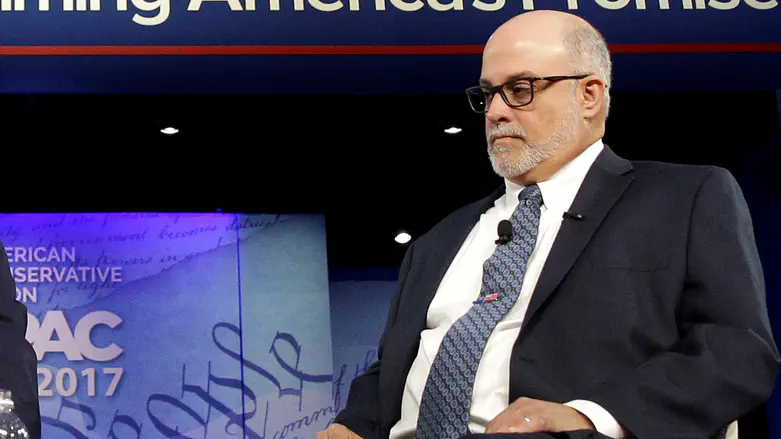
The critical perspective highlights strong emotional language, false dilemmas, and vilifying rhetoric that point toward manipulative framing, while the supportive perspective notes the piece’s typical opinion‑style format, lack of fabricated statistics, and absence of coordinated disinformation signals. Weighing the substantive manipulative cues against the neutral stylistic observations leads to a moderate‑to‑high assessment of manipulation.
Key Points
- The passage employs fear‑laden and polarizing language (e.g., "abomination," "slaughtered Americans") that aligns with manipulation tactics identified by the critical perspective.
- It presents a binary choice—reject the talks or betray Israel—without acknowledging nuanced diplomatic options, reinforcing a false dilemma.
- Conversely, the supportive perspective correctly observes that the text resembles a lone commentator’s op‑ed: it lacks fabricated statistics, external citations, and coordinated messaging.
- The presence of manipulative framing outweighs the neutral stylistic features, suggesting the content is more suspicious than a standard opinion piece.
- Verification of the quoted statements and contextual facts about Hezbollah’s actions and the alleged negotiations would clarify intent.
Further Investigation
- Locate the original source of the quoted Mark Levin statement to confirm authenticity and context.
- Examine independent records of Hezbollah attacks on Americans to verify the "45‑year" claim.
- Research any official negotiations involving Qatar, Pakistan, Israel, and Lebanon to assess the factual basis of the criticism.
The commentary relies on emotionally charged language, fear appeals, and selective framing to present a alleged Hezbollah‑led negotiation as an existential threat, urging outright rejection while providing no concrete evidence.
Key Points
- Uses strong emotional and fear‑based language (e.g., “abomination,” “slaughtered Americans”) to provoke outrage
- Presents a false dilemma – either reject the talks entirely or betray Israel – without acknowledging nuanced diplomatic options
- Appeals to personal authority and tribal identity, labeling Qatar and Pakistan as “corrupt, brutal, terror‑tied regimes” to vilify opponents
- Cherry‑picks data (e.g., “45‑year period Hezbollah has slaughtered Americans”) while omitting broader context about the negotiations
- Frames the narrative as a binary us‑vs‑them conflict, reinforcing tribal division and delegitimizing dissenting views
Evidence
- "Has anybody ever heard of a negotiation where the two countries directly affected, Israel and Lebanon, are left out of the negotiation?"
- "Honestly, this is an abomination. What kind of bull***** is this"
- "Only Israel has. Why are we helping Hezbollah? Pure appeasement to Iran."
- "And why the hell are Qatar and Pakistan lead negotiators?"
- "If the public were actually polled on specific major parts of this, like the above lunacy, and it was explained, the polls would be in the toilet."
The passage reads like a typical partisan opinion piece, featuring direct quotations, personal rhetorical questions, and no fabricated statistics or external citations, which are hallmarks of legitimate commentary. Its tone and structure align with known patterns of individual political commentary rather than coordinated disinformation.
Key Points
- Directly attributes statements to a public figure (Mark Levin) with verbatim quotes, a common practice in authentic editorial content.
- The piece presents personal opinions and rhetorical questions without asserting unverifiable factual claims or presenting fabricated data.
- Absence of external sources, links, or fabricated statistics is consistent with a lone commentator’s editorial rather than a coordinated propaganda effort.
- Emotive language, while strong, matches the usual style of partisan commentary and does not inherently indicate manipulation.
- No evidence of synchronized messaging across multiple outlets or coordinated timing, suggesting an isolated expression.
Evidence
- "Has anybody ever heard of a negotiation where the two countries directly affected, Israel and Lebanon, are left out of the negotiation?" – a verbatim quote attributed to Levin.
- Use of rhetorical questions (e.g., "Why are we helping Hezbollah?"), a hallmark of opinion writing rather than factual reporting.
- Lack of citations, footnotes, or references to external documents, which is typical for a personal op‑ed.