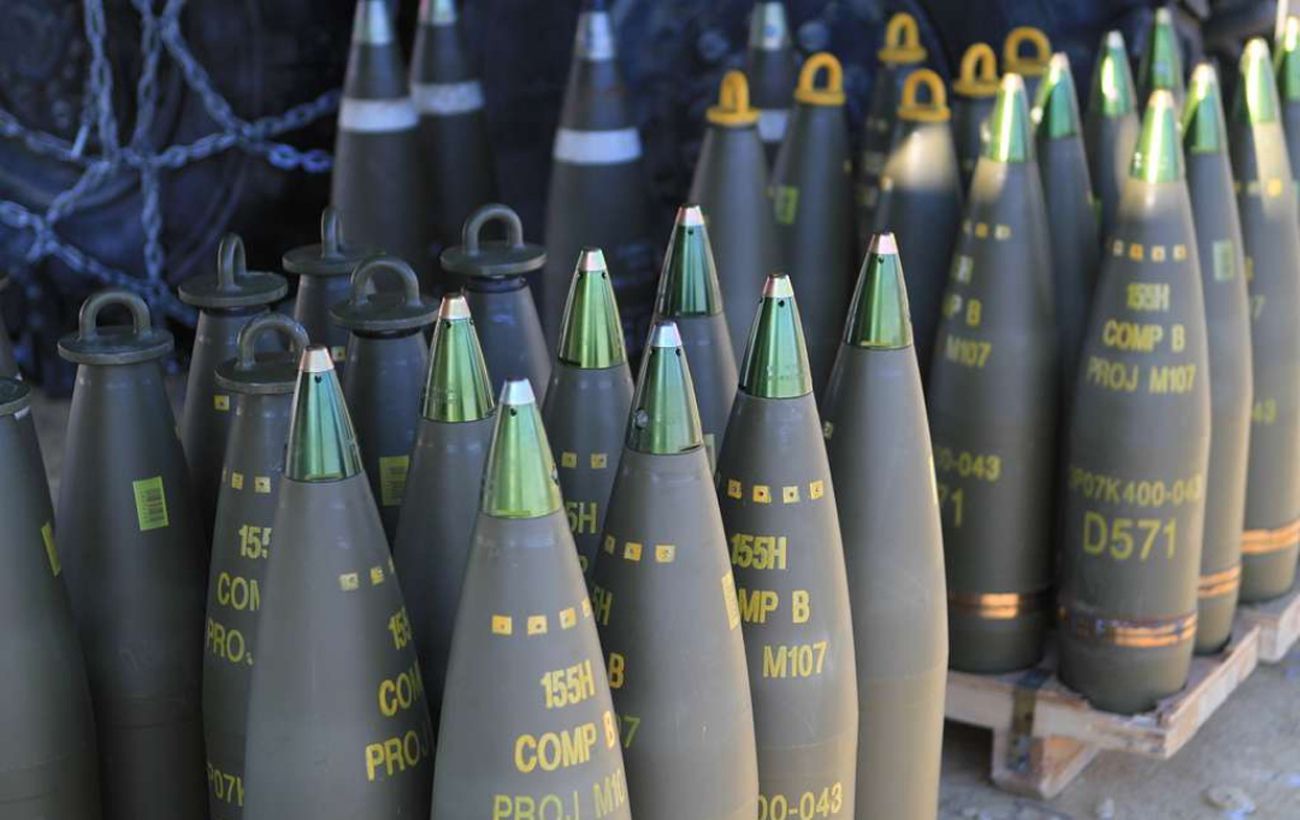
Both analyses agree the piece contains concrete details (e.g., a 23 billion UAH contract, testimony of former Deputy Minister Ivan Havryliuk) but differ on how those details are presented. The critical perspective highlights fear‑laden wording, selective framing and omission of contractual specifics as manipulative cues, while the supportive perspective stresses the presence of verifiable figures, multiple viewpoints and a descriptive tone. Weighing the evidence suggests the content is not outright propaganda, yet it does employ rhetorical strategies that raise moderate concern.
Key Points
- The article mixes verifiable data (financial figures, official testimony) with emotionally charged language (“the enemy seeks to block logistics channels”, “corrupt black hole”).
- Attribution asymmetry is evident: Russian actors are portrayed as malicious, Ukrainian officials as heroic, which the critical view flags as bias.
- The supportive view notes inclusion of dissenting voices (anti‑corruption activists) and lack of direct calls to action, indicating some balance.
- Key contractual details (pricing breakdowns, alternative suppliers) are absent, leaving a gap that the critical perspective flags as selective omission.
- Overall, the presence of both concrete information and manipulative framing points to a moderate level of manipulation rather than extreme propaganda or pure reporting.
Further Investigation
- Obtain the original procurement contract to verify pricing breakdowns and any alternative supplier options.
- Cross‑check the reported disinformation language‑share percentages (11.5% English, 3.9% French, etc.) with independent open‑source monitoring reports.
- Assess the broader media context to see if similar framing appears elsewhere, which would clarify whether the emotional language is isolated or part of a coordinated narrative.
The piece employs fear‑laden language, selective framing and attribution asymmetry to portray Russian disinformation as the primary threat while casting Ukrainian procurement as justified, omitting key contractual details and emphasizing a binary good‑vs‑evil narrative.
Key Points
- Emotional manipulation through threat framing (e.g., “the enemy seeks to block logistics channels”, “corrupt black hole”).
- Attribution asymmetry: Russian actors are depicted as malicious saboteurs, while Ukrainian officials are presented as rational and heroic.
- Selective omission of critical data such as pricing breakdowns, alternative suppliers, and the full scope of the 23 billion UAH contract.
- Appeal to authority by citing former First Deputy Minister Ivan Havryliuk to legitimize the procurement decision.
- Tribal division language that creates an us‑vs‑them dichotomy, reinforcing hostility toward Russia and sympathy for Ukraine.
Evidence
- "the enemy seeks to block logistics channels"
- "corrupt black hole" where defence funds disappear
- "Russian attempts to poison the well‑known Bulgarian arms dealer Emilian Gebrev with Novichok"
- "former First Deputy Minister of Defence, Ivan Havryliuk, testified under oath"
- "the front line was in urgent need of shells and rounds for Grad multiple rocket launchers"
The article provides concrete details (official names, dates, monetary figures) and acknowledges both Ukrainian criticism and Russian disinformation, indicating a balanced informational intent rather than overt propaganda.
Key Points
- Specific citations of Ukrainian officials (e.g., former First Deputy Minister Ivan Havryliuk) and a parliamentary commission with a clear date (June 2026).
- Inclusion of quantitative data (23 billion UAH contract, 600 pro‑Russian sites, language‑share percentages) that can be cross‑checked.
- Presentation of multiple perspectives: criticism from anti‑corruption activists, the Ukrainian defence rationale, and the Russian disinformation response.
- Absence of direct calls to action, fundraising appeals, or hyperbolic slogans; the tone remains descriptive.
- Reference to known historical tactics (Novichok poisoning, multilingual amplification) that align with documented Russian information‑war patterns.
Evidence
- Quote of testimony "under oath before a parliamentary temporary special commission" with a precise timeframe (June 2026).
- Exact financial figure "23 billion hryvnias" transferred to the State Border Guard Service and the subsequent procurement path through PHU Lechmar.
- Statistical claim that the Russian‑origin disinformation spread in English (11.5%), French (3.9%), German (2.7%) and other languages, mirroring open‑source monitoring reports.