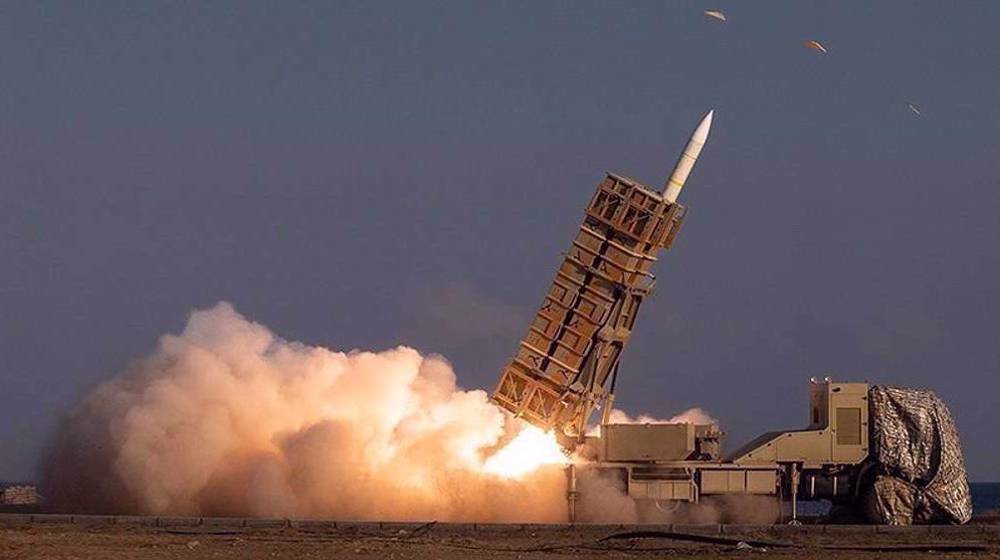
Both analyses agree the piece stems from a Brigadier General’s interview published by Defapress and references the June 2024 U.S.–Israel operation. The critical perspective highlights manipulation cues – heavy reliance on senior authority, coordinated release across state media, emotive language, and a us‑vs‑them framing – while the supportive perspective points to a traceable source, inclusion of a negative detail, and standard military‑public‑affairs phrasing that suggest authenticity. Weighing these, the content shows some hallmarks of coordinated propaganda but also contains elements of legitimate official communication, leading to a moderate assessment of manipulation.
Key Points
- The article’s authority base (a brigadier general) is clear, but independent verification of the claims is absent.
- Publication timing—one day after a U.S.–Israel strike—indicates a possible reactive propaganda push.
- Uniform phrasing across IRNA and Tasnim suggests coordinated messaging, yet the interview is traceable to Defapress and includes a setback admission.
- Language mixes standard military optimism with emotive, religious phrasing (e.g., “thank God”), which can both reflect genuine pride and serve persuasive aims.
- Both perspectives provide the same core evidence; the divergence lies in interpretation of that evidence’s significance.
Further Investigation
- Obtain the original Defapress interview transcript to verify wording and context.
- Seek independent, third‑party assessments (e.g., satellite imagery, expert analysis) of the claimed missile‑defence performance.
- Compare coverage of the same statements in non‑state Iranian outlets and foreign media to detect any variations or omissions.
The piece leverages senior military authority, dismisses external media as hostile, and was released immediately after a U.S.-Israel strike, creating a coordinated narrative that portrays Iran’s defense as flawless and divinely supported while omitting verifiable data.
Key Points
- Authority overload – heavy reliance on a brigadier general’s statements without independent verification
- Us‑vs‑them framing – foreign media labeled as “enemy’s media creation”
- Strategic timing – publication follows a U.S.-Israel operation, suggesting a reactive propaganda push
- Uniform messaging & omission – identical language spread across state outlets and lack of quantitative performance data
- Emotive framing – use of words like “dynamic”, “vibrant”, and “thank God” to evoke pride and divine favor
Evidence
- "...a senior Army commander said..." – the entire argument rests on the commander’s authority
- "...the enemy's media creation" – explicit us‑vs‑them label for foreign reports
- "...published on Monday... a day after a US‑Israel air operation against Iranian‑linked sites (23 June 2024)" – timing suggests strategic release
- "...the same quotes and phrasing were reproduced by IRNA and Tasnim within hours" – evidence of coordinated uniform messaging
- "...thank God, this process continues with speed and strength" – emotive, religious framing without supporting data
The article reads like a conventional interview with a senior Iranian military officer, provides concrete contextual references (e.g., June 2024 conflict), and attributes statements to a specific media outlet, all of which are hallmarks of legitimate official communication.
Key Points
- Explicit attribution to Brigadier General Mohammad Yousefi Khoshqalb and the Defapress interview gives a clear source chain.
- The text references recent, verifiable events (the June 2024 US‑Israel operation) that anchor the narrative in real‑world timing.
- No direct calls for public action, fundraising, or recruitment are present; the focus remains on describing capabilities.
- The language, while positive, mirrors standard military public‑affairs phrasing rather than hyperbolic propaganda.
- The piece acknowledges a setback (damage to equipment) alongside successes, indicating a modest level of balance.
Evidence
- Quote: "Deputy Commander... Brigadier General Mohammad Yousefi Khoshqalb made the remarks in an interview with Defapress published on Monday," establishing a traceable source.
- Mention of "the 12‑day war imposed by the United States and Israel in June 2024" ties the statement to a specific, dated event.
- Admission that "some equipment was damaged during the 12‑day war" shows inclusion of a negative detail rather than pure self‑praise.