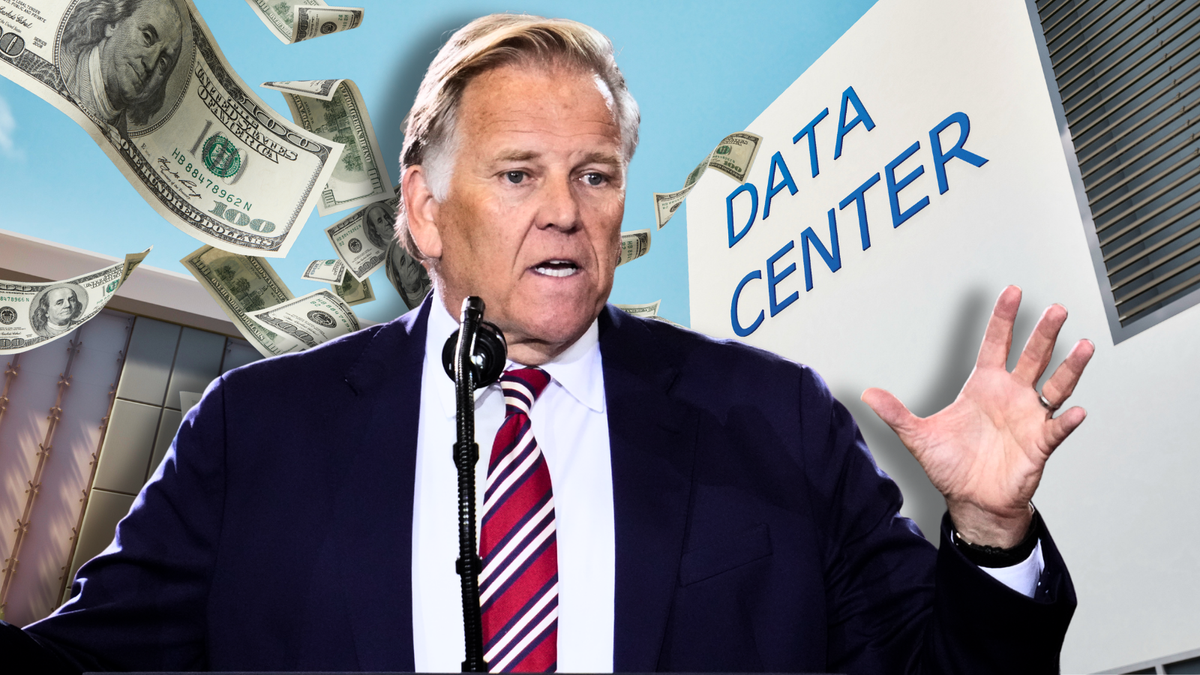
The critical perspective argues that the article manipulates perception by cherry‑picking donation amounts, using charged language, and omitting broader context, suggesting a conflict‑of‑interest narrative. The supportive perspective counters that the piece provides verifiable financial disclosures, cites multiple sources, and follows journalistic norms such as seeking comment, indicating a largely factual report. Weighing both, the article contains some framing choices that could bias readers, but it also supplies concrete data and source attribution that allow independent verification.
Key Points
- Both analyses agree the article includes specific financial figures and notes non‑responses from campaigns, which are verifiable elements.
- The critical view highlights selective emphasis and emotionally charged wording (e.g., "cash in," "lucrative"), suggesting a manipulation of perception.
- The supportive view emphasizes the presence of named sources (Lever, Detroit Metro Times, Revolving Door Project) and factual reporting style, reducing the likelihood of overt manipulation.
- Missing contextual information—such as Rogers' full donation ledger and his voting record on AI legislation—limits readers' ability to assess the significance of the disclosed amounts.
- Beneficiary analysis shows the narrative could aid political opponents, while the article’s lack of counter‑balancing perspective may skew interpretation.
Further Investigation
- Obtain the complete list of all campaign contributions to Rogers and compare the highlighted amounts to the overall funding picture.
- Review Rogers' voting record and public statements on AI and data‑center legislation to assess any direct policy‑benefit linkage.
- Compare similar financial disclosures of other Senate candidates to determine whether the highlighted figures are unusually large or typical.
The article frames Mike Rogers’ financial ties to AI and data‑center interests in a way that suggests a conflict of interest, using selective details, charged wording, and omission of broader context to subtly undermine his credibility ahead of the Senate race.
Key Points
- Selective emphasis on specific donation amounts and holdings (e.g., "$14,000 from the Winklevoss twins", "$148,000 from donors invested in the AI and data‑center industry") while omitting a full accounting of all contributions, creating a cherry‑picked picture.
- Use of negatively‑charged framing verbs such as "cash in" and adjectives like "lucrative" and "dangerous returns" to shape perception of Rogers’ motives.
- Absence of concrete evidence linking Rogers’ policy positions to direct benefits for the listed companies, leaving a causal gap that invites a post‑hoc inference.
- Beneficiary analysis: the narrative benefits political opponents and readers skeptical of Trump‑aligned tech policy, while Rogers and his supporters gain no counter‑balancing perspective.
- Missing contextual information about Rogers’ voting record on AI‑related legislation and the broader landscape of campaign financing for all candidates, which limits the reader’s ability to assess the significance of the disclosed figures.
Evidence
- "Mike Rogers has done a good job of cashing in on his past influence..."
- "Rogers holds between $1.7 million and $2.6 million in companies that stand to benefit from tech‑friendly policies..."
- "Rogers has raked in $148,000 from donors invested in the AI and data center industry..."
- "Rogers’ campaign did not respond to a request for comment."
- "The article highlights specific donation amounts (e.g., $14,000 from the Winklevoss twins) while not providing the full spectrum of all contributions"
The article includes multiple verifiable details—financial disclosures, named sources, and direct quotes—without overtly emotive language or one‑sided framing, indicating a legitimate news‑style report. It also follows standard journalistic practice by seeking comment from both campaigns and noting non‑responses, which supports authenticity.
Key Points
- Specific financial figures and disclosure ranges are provided, allowing independent verification
- Named sources such as Lever, Detroit Metro Times, and the Revolving Door Project are cited, and campaign finance data are referenced
- The piece requests comments from both candidates and reports non‑responses, showing balanced reporting
- Language remains factual and avoids sensationalism or calls to action, reducing manipulation cues
Evidence
- "According to a Lever analysis of Rogers’ most recent financial disclosure..."
- "In June, the Detroit Metro Times reported that six of the companies Forgepoint is invested in..."
- "Rogers’ campaign did not respond to a request for comment."
- "El‑Sayed’s campaign did not respond to a request for comment."