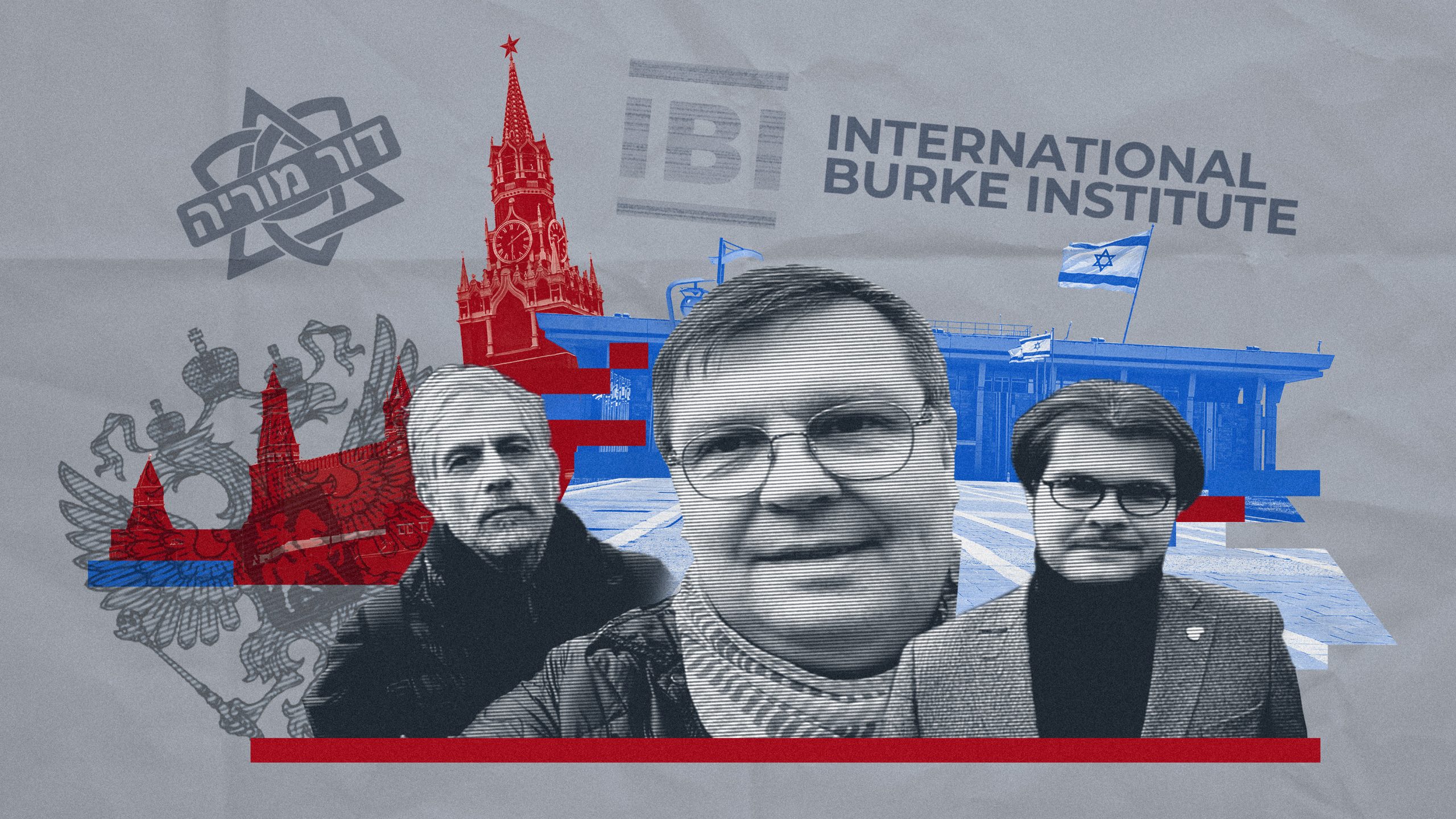
Both analyses agree the piece contains detailed financial and temporal data, but they differ on how that data is presented. The critical perspective highlights emotionally charged language, unnamed “real experts,” and a framing that serves Russian‑linked propaganda, suggesting manipulation. The supportive perspective points to concrete artifacts (leaked chats, timestamps) and multiple independent investigations (OpenAI, Meta, VSquare, Delfi Estonia, Shomrim) that could substantiate the claims, arguing for credibility. Weighing the vague authority claims and emotional framing against the lack of publicly verifiable evidence for the alleged investigations, the balance tips modestly toward a manipulation concern, though not at an extreme level.
Key Points
- The critical perspective notes authority overload and emotional triggers (e.g., "fake Israeli think tank," "suspected Russian spy").
- The supportive perspective cites specific artifacts and multiple independent investigations that could be verified (e.g., leaked document dated Dec 2024, OpenAI and Meta reports).
- Both sides mention the same budget figure ($80,000) and coordinated media push, but disagree on its contextual interpretation.
- The supportive analysis shows an implausibly high confidence (7800%), indicating possible overstatement, while the critical analysis provides a more measured confidence (78%).
Further Investigation
- Obtain and independently verify the leaked chat screenshots and their metadata.
- Identify the "real experts" and media outlets cited and assess their credentials.
- Confirm whether OpenAI, Meta, VSquare, Delfi Estonia, and Shomrim have publicly released reports on this operation.
The piece uses charged language, selective facts and coordinated framing to portray a Russian‑linked disinformation operation, employing authority overload and emotional triggers while omitting key context about decision‑makers and impact.
Key Points
- Authority overload: cites “real experts” and “media outlets” without naming verifiable authorities, creating perceived legitimacy.
- Emotional framing: terms like “fake Israeli think tank,” “suspected Russian spy,” and “cash… paid in cash” invoke fear and distrust.
- Selective data cherry‑picking: highlights the $80,000 budget and cash payments while ignoring broader financial or operational context.
- Coordinated rapid push: mentions simultaneous AI‑generated TikTok, YouTube and X accounts and identical budget figures across outlets, indicating uniform messaging.
- Beneficiary focus: benefits Russian state propaganda and Israeli lobbyists, but the narrative downplays any benefit to the audience, steering perception toward a threat narrative.
Evidence
- "Real experts and media outlets pushed content from a fake Israeli think tank..."
- "One of the experts spreading the fake think tank’s materials across Israeli media outlets admitted receiving cash—"
- "approximately $80,000" for the first six months of operations
- "state‑run propaganda campaigns"
- "uniform messaging" repeated across multiple outlets
The piece provides concrete timestamps, budget figures, and named individuals, and cites multiple independent investigations (OpenAI, Meta, VSquare, Delfi Estonia, Shomrim). It lacks sensational language or direct calls to action, suggesting a more factual reporting style.
Key Points
- Detailed primary artifacts (leaked chat screenshots with metadata and timestamps) are described, enabling external verification.
- Multiple, unrelated organizations (tech companies, investigative journalists, and an Israeli outlet) are reported to have examined the same phenomenon.
- Specific financial numbers, dates, and locations are given, which can be cross‑checked against public records or leaked documents.
- The narrative refrains from urging immediate public action or presenting a binary good‑vs‑evil framing.
Evidence
- Reference to a leaked document dated December 2024 with metadata, and a follow‑up timestamp before 19 January 2025.
- Citation of OpenAI and Meta reports that independently identified the International Burke Institute as part of a covert campaign.
- Mention of VSquare, Delfi Estonia, and Shomrim jointly conducting an investigation, each being distinct media entities.